The Parable of the Weeds


Jesus explained this parable Himself. Symbol by symbol. And His explanation dismantles the chart on your church wall.
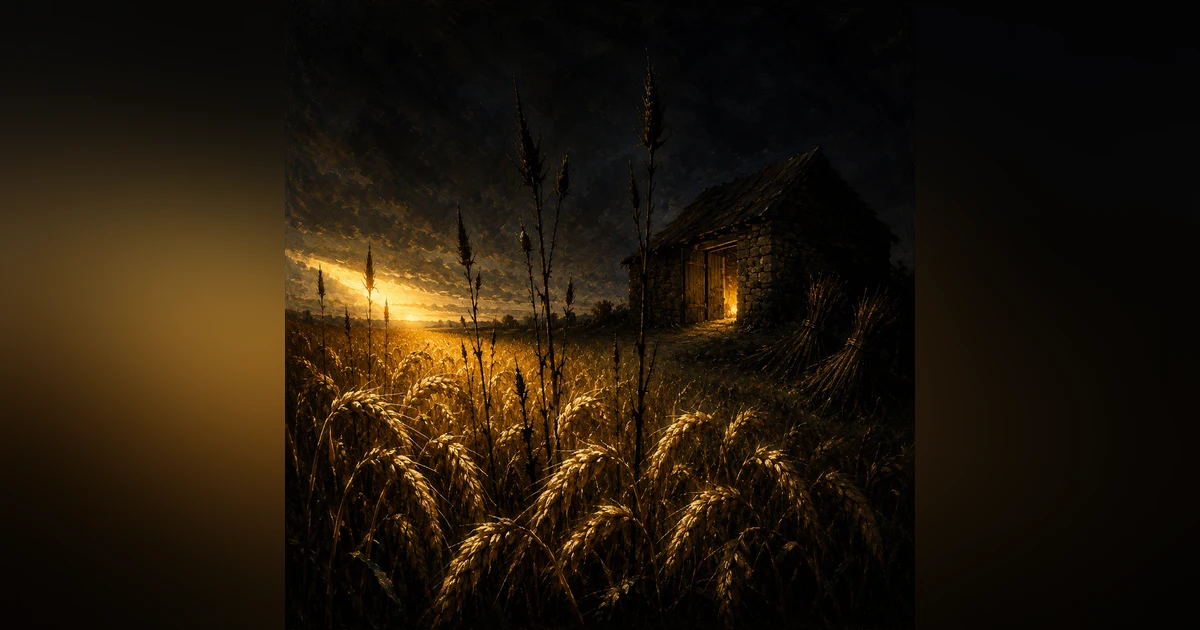
The crowd got a story: a man sowed good seed in his field, and while men slept, his enemy came and sowed tares among the wheat, and went his way. The disciples got more. They came to Him privately, in the house, and asked. And He answered with a key no other parable receives. The sower is the Son of man. The field is the world. The good seed are the children of the kingdom. The tares are the children of the wicked one. The enemy is the devil. The harvest is the end of the world. The reapers are the angels. Seven equations. His words. Not a commentary. Not a tradition. Him.
Now hold your end-times chart next to His explanation.
“Let both grow together until the harvest.” (Matthew 13:30)
Both. Together. Until the harvest. And the harvest is not a secret event seven years early — “the harvest is the end of the world; and the reapers are the angels.” (Matthew 13:39)
Find the separate harvest of the church in His explanation. Find the early exit. Find the phase where the wheat leaves and the tares stand in the field. It is not there. The removal in this parable runs the other direction: the angels gather the offense and the lawbreakers out of His kingdom — and then the righteous shine forth as the sun in the kingdom of their Father. The wicked are carried off. The wheat inherits the field, purged and clean. That is the sequence the Son of Man gave when He explained His own parable. If your chart says otherwise, one of them is wrong. It is not Him.
And look at what the angels carry off. Not just the law-breakers. All things that offend (Matthew 13:41) — every stumbling-block, every cause of sin, the whole machinery of temptation. Offences must come now; Jesus said so Himself. At the harvest, every last one is gathered out. Not a world where sin is punished. A world where sin has no cause left — no door left to crouch at. Eden could fall. This kingdom cannot.
And the parable cuts deeper than eschatology. Wheat and tares are indistinguishable until the fruit. The tares are not strangers outside the field — they grow among the wheat, drink the same rain, wear the same green, sit in the same pews. The servants wanted to weed. He said no — not because the tares are safe, but because the servants cannot tell the difference, and He will not lose one grain of wheat to their zeal. The separation belongs to the angels, at the end, and the furnace is not empty. Which leaves you one question the parable will not answer for you: which seed are you? Not which seed you presume you are — Matthew 8:12 burns that presumption to the ground. What does your fruit say?
Do not take this episode’s word for it. Do not take your tradition’s word for it either. The Bereans searched the scriptures daily, whether those things were so (Acts 17:11). Open Matthew 13. Read the parable. Read His explanation. Let the Lord’s own words define the sequence — and let them ask you about your fruit.
Episode Link:
https://www.rabbitholesandmeditations.com/the-parable-of-the-weeds/

